


Choosing Hair Topper Coverage by Part and Crown Area
If you are deciding how to choose hair topper coverage for crown thinning, start by mapping the area you want the piece to cover. Note where your part sits, how far the visible area extends, and how you prefer to style your hair. Then compare that map with the topper’s listed base footprint and attachment information. This is a product-fit decision, not a way to diagnose the cause of hair changes.
Related product: Shop Clip in Human Hair Wiglets for Women Full Machine Made.
How do you choose hair topper coverage for the crown?
Map the area you want covered and compare it with the topper base.
Check the product’s dimensions, part position, and attachment details, then confirm fit with the seller or a qualified stylist if anything is unclear.
Use a mirror or a photo to identify the part and crown area you want the topper to cover. Record approximate length and width, then compare those dimensions with the base measurements on the product listing. A topper that covers the area you have in mind should also work with your preferred part and attachment method.
Map the part and crown area you want covered
Start with the hairstyle you expect to wear. A middle part, side part, or softly shifted part can expose different areas. Note whether you want coverage along the part, at the crown, or across both. The outline of that area is more useful than choosing a base by appearance alone.
Measure gently and avoid pulling hair or pressing a measuring tape against the scalp. If the area is difficult to see, ask a stylist to help you map it. You can also take a clear photo from above and mark the coverage area for discussion.
The American Academy of Dermatology explains that hair loss can have different causes. Its general information on hair loss causes and types of hair loss can help distinguish product shopping from medical evaluation. A topper is an appearance option, not a diagnosis or treatment.

Compare the base footprint with your coverage map
Find the base length and width on the product page, along with any information about where the part sits. Compare those figures to the area you marked. Product photos can show how a piece looks, but they do not replace listed measurements.
Consider the amount of hair around the area that can help conceal the base. A topper footprint may extend beyond the visible part, and your surrounding hair needs to fall naturally around it. If the base seems larger than the area you planned, ask whether that size is appropriate before ordering.
YWIGS’s hair topper collection currently describes a removable hairpiece and shows a product listing; review the product page for exact base and attachment information. The related wig collection discusses broader coverage and comfort considerations, while this article focuses on comparing the footprint to a specific part-and-crown area.
Think about part placement and styling direction
Check whether the topper’s part aligns with the direction you wear your hair. If you regularly shift between a side part and middle part, confirm that the product can accommodate that styling before choosing. Do not assume a fixed base or part can be repositioned.
Look at the way your natural hair falls around the crown. Consider whether you will wear it smooth, curled, or pulled back, and whether the base edge will remain covered in each style. If you plan to change the part often, ask the seller or stylist how the particular topper is designed to be worn.
Explore the broader hair extensions collection if you are comparing different removable options. Check each product’s confirmed base, attachment, and care details rather than assuming every item provides the same coverage.
Review attachment, comfort, and surrounding hair
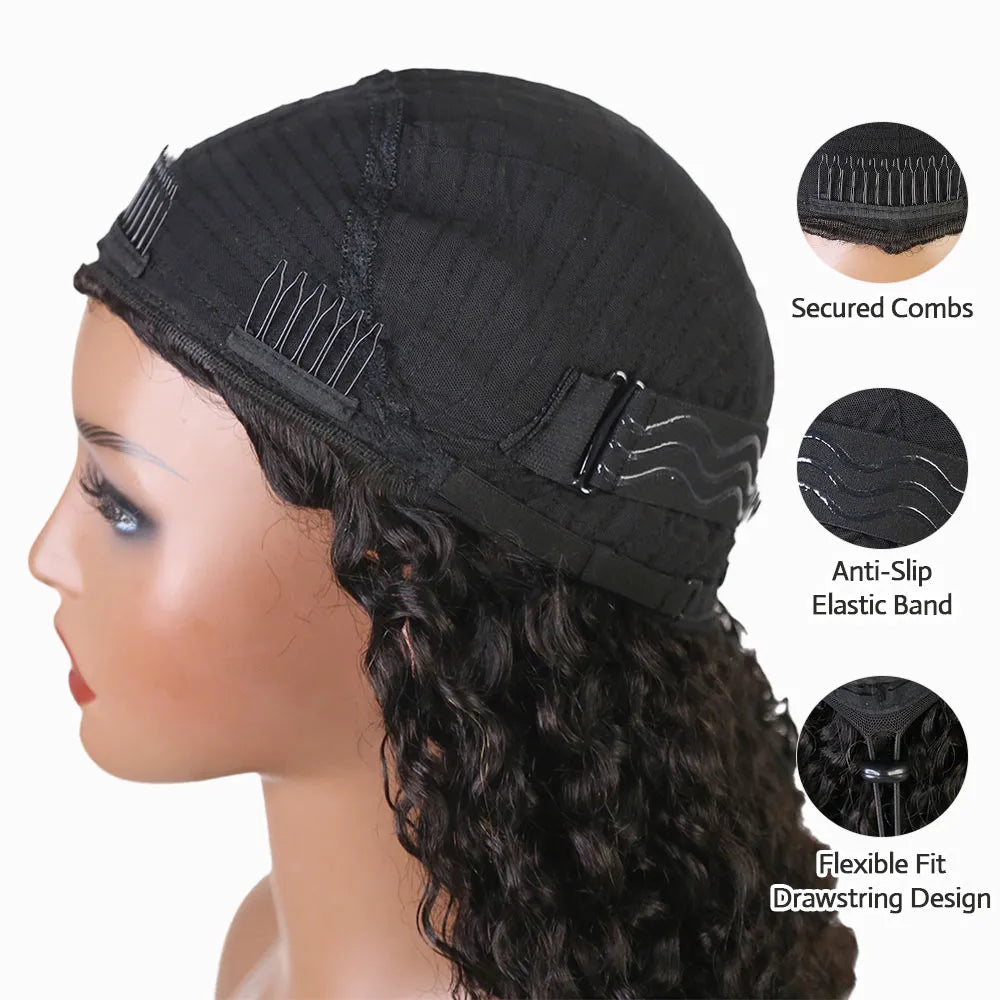
Read the product’s attachment instructions and consider whether the clips or other fastening method suit the hair around the coverage area. A base that seems like the right size may still feel uncomfortable if it presses on a sensitive spot or depends on pulling surrounding hair tightly.
The AAD recommends avoiding hairstyles that pull and offers guidance on styles that can cause traction and styling without damage. For additional general guidance, see its advice on hair care for Black hair. These sources do not establish whether a particular topper will fit you; use the product directions and a stylist’s assessment.
If you notice new, sudden, or persistent hair changes, consider speaking with a dermatologist. Cleveland Clinic’s hair loss overview provides general information about evaluation. Choosing a topper does not replace medical advice.
Ask the seller or stylist specific fit questions
If the product listing does not answer a fit question, ask before purchasing. Share your coverage map and ask whether the base dimensions and attachment method align with the area you want to cover. Ask how the part is positioned and whether the item is intended to be worn in the direction you prefer.
A clear question is more useful than asking whether the topper is “large enough.” Mention the approximate coverage area, part direction, and styling needs. A stylist can also assess how your own hair may cover the base edges and whether the attachment will feel comfortable.
Do not assume that a topper will cover a particular area based only on a product name or image. Confirm the details for the exact listing and the current product version.
Use a coverage comparison checklist
Before selecting a topper, confirm these details:
- Mark whether you want part, crown, or combined coverage.
- Measure the approximate length and width of that area.
- Compare the product’s listed base dimensions and part position.
- Check the attachment method and surrounding hair coverage.
- Ask about fit if the listing does not answer your question.
- Seek medical guidance for new or persistent hair changes.
Compare the current hair topper listing with other extension options after you have mapped the area you want covered. Use confirmed product information to make the final decision.
FAQ
How do I choose hair topper coverage for crown thinning?
Map the area you want covered, note where your part sits, and compare those measurements with the topper’s listed base dimensions and attachment details. Confirm fit with the product information or a qualified stylist.
How do I know what size hair topper base I need?
Measure the area you want the base to cover and compare it with the exact dimensions on the product listing. Coverage needs and preferred part visibility vary, so ask the seller or stylist if the measurements are unclear.
Can a topper cover both my part and crown?
That depends on the topper’s base footprint, your part placement, and the area you want covered. Compare the listed dimensions with your own coverage map before choosing.
Should I choose a larger topper for more coverage?
A larger base is not automatically a better fit. Consider comfort, attachment method, hair coverage, and how much of the natural part you want visible, then confirm suitability with a stylist or product specialist.
Map the area and compare the topper’s listed base dimensions before choosing your coverage.
More on this topic: Wig Types and Buying Guides.
