


What Braiding Hair Works Best in Hot Weather?
Quick answer: water wave, deep wave, and wet & wavy human hair handle heat and humidity best. Water wave re-waves when wet without frizzing, deep wave keeps a fuller curl, and bob-length sets stay light and off the neck. Avoid long synthetic-heavy or heavily coated sets in hot weather — they hold heat and dry the natural hair under them.
This guide is the decision matrix for choosing between textures in heat and humidity, plus the care that keeps a set fresh. For the overall vacation plan, see Vacation Braids 2026; this page is about the texture choice itself.
Why Texture Matters in Heat
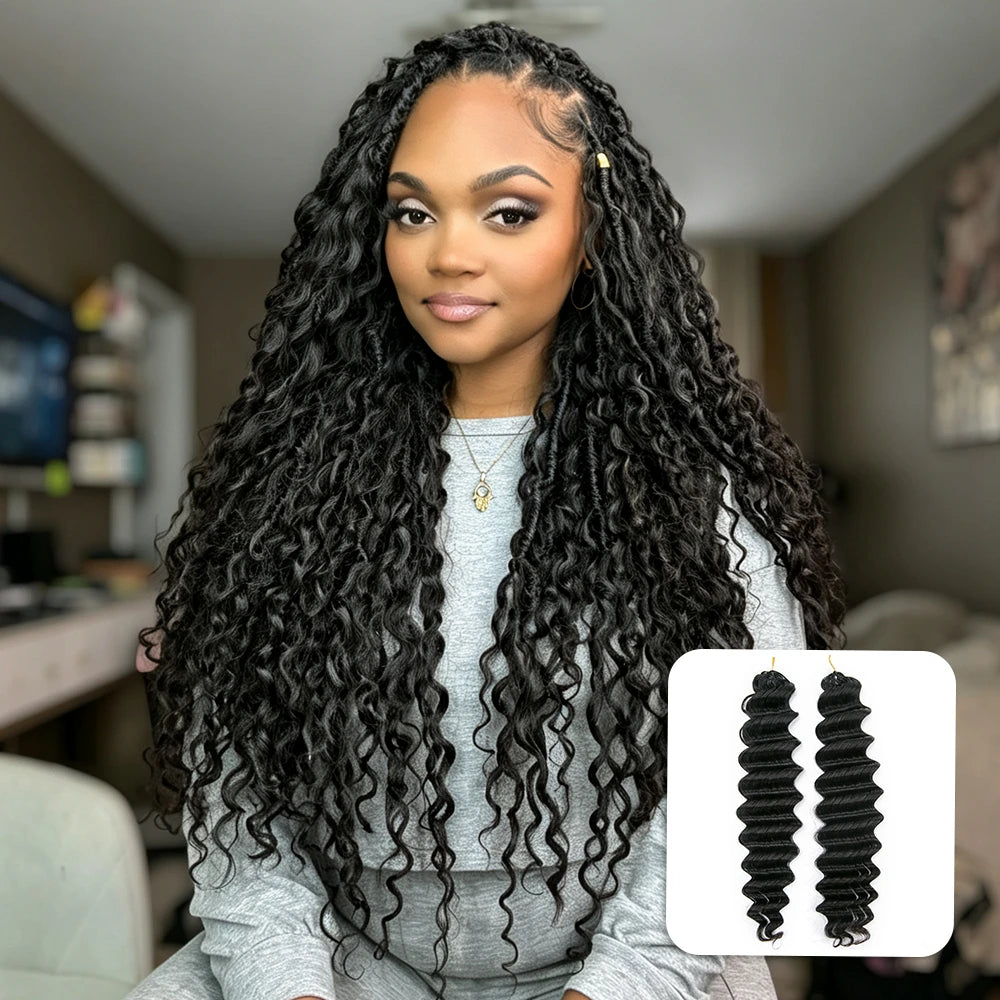
Heat and humidity change how curls behave. On current Ywigs listings, water-wave textures are described as retaining a visible wave pattern when damp, and deep wave as holding a fuller curl in humid air. For synthetic or coated hair, we avoid absolute claims; the practical note is that denser, coated sets hold more warmth against the scalp, so we generally recommend lighter, uncoated human hair for hot weeks.
| Texture | Hot-weather behavior | Top pick for |
|---|---|---|
| Water wave | Waves when wet; air-dries back | Daily heat + swimming |
| Deep wave | Fuller curl in humid air | Humid cities |
| Wet & wavy | Stays defined after pool water | Pool weeks and vacations |
| Bob-length set | Less weight, less heat at the nape | Maximum comfort |
Care That Keeps It Cool and Fresh
- Rinse after sweat or a swim — salt and chlorine dry the hair from inside.
- Air-dry in a loose bun; do not blow-dry hot air into the set.
- Keep the hairline loose so the scalp can breathe.
- Swap to a satin scarf at night to cut friction and heat retention.
The full routine lives in braids and crochet in humid weather.
Best Picks for Hot Weather
- Water wave knotless crochet — the heat-and-swim favorite.
- Deep wave knotless crochet — fuller curl for humid days.
- Wet & wavy crochet — for pool and beach weeks.
FAQ: Hot-Weather Braiding Hair
Does human hair feel hotter than synthetic in summer? Human hair breathes better and dries faster; synthetic and coated hair traps more warmth against the scalp.
Are long braids hotter than bob-length braids? Usually yes, because more hair sits against the neck and dries slower. If heat is the main complaint, a bob or lob-length set is the most consistent fix.
How often should braids be rinsed after sweating? After heavy sweating or a swim, rinse the same day and air-dry; daily rinses in high heat are reasonable, and leave-in moisture is not needed after every rinse.
How We Evaluated This Guide
We reviewed texture behavior as stated on current Ywigs listings and in our care guides, focusing on what changes when water and heat meet the strand. Where we say a texture “waves when wet,” that is the product behavior on the listing; where we recommend one for a destination, that is a recommendation from this guide, not a guarantee of frizz-free wear.
Related Guides
How the Set Dries Changes the Week
In hot weather the drying routine does more work than any product. A set that air-dries in a loose gather keeps its wave pattern and feels cool; a set left damp in a tight bun for hours develops a stale smell, a dull surface, and frizz where the moisture pooled. On active days, build in one dry-down window — after the rinse, keep the hair loose and off the neck until it is fully dry, then gather for the evening.
That also changes what “low-maintenance” means in heat: it is not “no care,” it is “the same three steps every day” (rinse, dry loose, gather at night). If the routine keeps slipping, shorten the set rather than lengthening the care budget — a bob-length install dries in roughly half the time of a mid-back one and is the single most reliable heat fix.
What Changes in a Heat Wave
In a heat wave the scalp sweats more, so the set sees moisture from below and humidity from outside. That changes the maintenance calculus: rinse more often, skip heavy butters that melt in heat, and let the hair dry completely before the next gather. A damp set left in a bun is the fastest route to odor and a dull look.
Short sets shine here because they dry faster and touch the neck less. A bob or lob-length install in water wave or deep wave is the lowest-effort hot-weather choice, and it keeps the nape clear for the whole season.
The Night Routine That Protects a Hot Set
Heat pulls moisture overnight, so the routine before the hot day matters more than the routine after it. Mist the ends lightly, tie a loose gather, and sleep on satin so the strands do not fight the pillow. In the morning, finger-comb the root and refresh the edges before the sun is on the part line.
