


A Braid Color Inspiration Board: How to Plan Your Blend
A braid color inspiration board helps you explain the shade combination and placement you have in mind before an appointment. Keep it focused: a few useful images, notes about what you like, and clear examples of what you want to avoid. The board starts a conversation; your stylist should confirm which shades and products can create the result.
Related product: Shop Multi-Color Bulk Human Braiding Hair Set Deep Wave.
How do you make a braid color inspiration board?
Collect a small set of clear images, label the colors and placement you like, and bring product references or physical swatches when available.
Compare the actual hair with your stylist before installation because photos and screens can shift color. Agree on the blend and placement before the service begins.
Browse the braiding hair collection to review product color names, then confirm specific shade details on the listing.
Pick references that show the details you want
Choose images that make the braid color easy to see. A close view can show the blend; a full-style photo can show where lighter or darker pieces sit. Avoid building a board from many pictures with conflicting lighting or filters.
Write down what you like in each reference: overall tone, contrast, placement near the face, or how the colors appear through the length. Also note what you do not want, such as a high-contrast stripe or a shade concentrated in one area.
Include your own current hair color and the outfit or occasion if those affect your decision. This gives the stylist context without asking them to guess from a single screenshot.
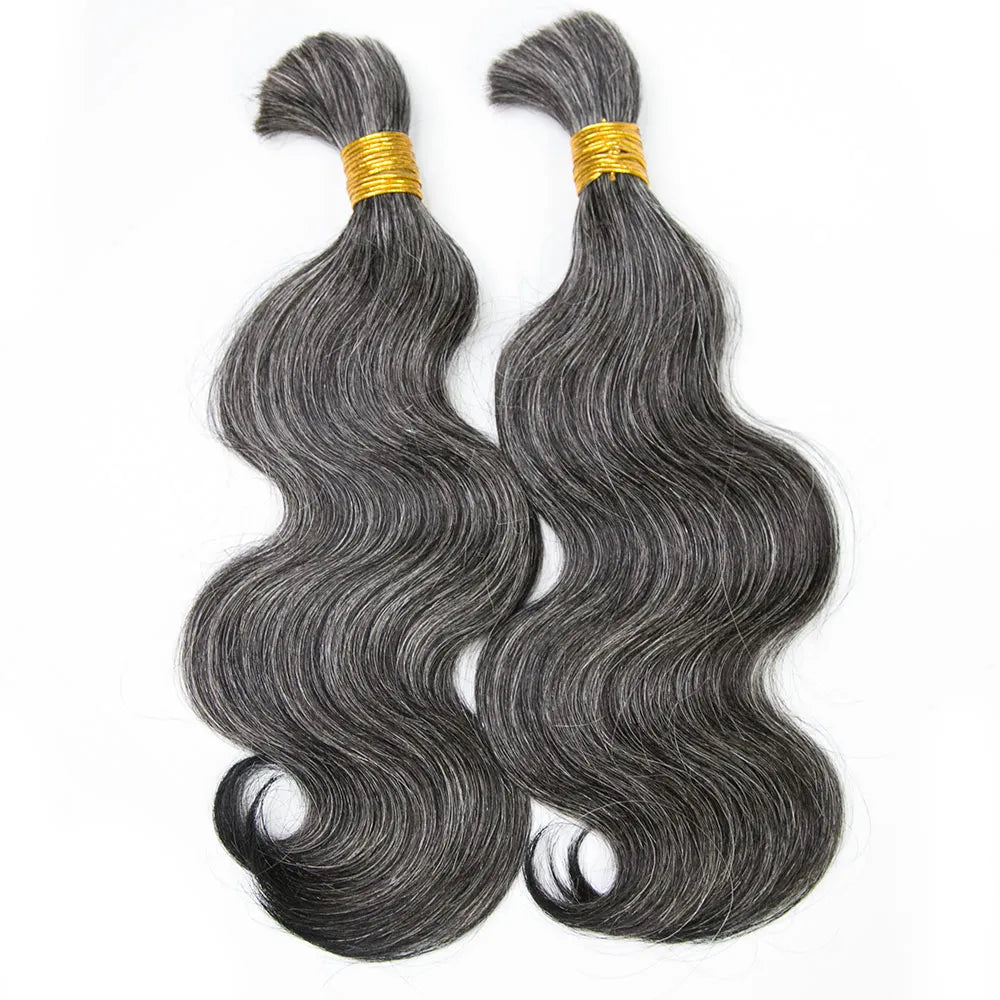
Group the images by the idea they represent, such as base color, accent color, and placement. A simple phone album or one-page collage is enough. Label each photo with a short note instead of writing a long explanation.
Limit the board to the images that communicate your main direction. Too many unrelated examples can make it harder to decide what matters. If you are torn between two looks, make two small boards and compare them side by side.
Save product names or shade labels alongside the inspiration when you have them. Do not assume that different brands use identical color names or numbering.
Separate color from placement
Two pictures can use similar shades but distribute them differently. Mark whether you prefer a blended look throughout, a lighter frame near the face, or a few visible accent pieces. Use language that describes the placement rather than simply saying “more color.”
Ask the stylist how they would translate the reference into a braid plan. The same shade can look different depending on braid size, lighting, and how much hair is visible at the surface.
Do not assume a product photo guarantees the same finished result. The final look depends on the exact hair, installation, and your starting color.
Compare physical shades in consistent light
If possible, bring the actual braiding hair or a physical swatch. Compare it in daylight or another consistent light with your stylist. Indoor bulbs can make warm and cool tones appear different, and phone screens are not reliable color standards.
Check that the product labels match the plan and that the shades are intentionally selected. If one shade looks different from your reference, pause and discuss alternatives before installation.
For general styling guidance, the American Academy of Dermatology provides information about hair styling practices. Its general advice does not determine which color blend is right for you.
Make your budget and maintenance preferences clear
Tell your stylist whether you prefer a subtle blend, visible contrast, or a look that can transition easily between outfits. Ask how the selected colors affect the appointment plan and what maintenance the style may involve. Avoid assuming a particular blend costs the same as another; confirm the service details directly.
If you already own some hair, show the packages and labels. Ask whether those exact items fit the plan before opening additional bundles. The stylist can clarify what is suitable based on the look and their service approach.
For general context about styles and tension, the AAD discusses hairstyles that pull. Ask your stylist about comfort and avoid styles that cause persistent pain.

Confirm the plan before the appointment starts
Review the chosen shades, placement, and any product substitutions with the stylist before installation. Ask them to repeat the plan in plain language so you can correct a misunderstanding early.
If a requested color is unavailable or does not look as expected in person, decide together whether to adjust the blend or reschedule. Do not proceed based on a vague assumption that the finished look will match a heavily edited photo.
Keep the final board and product labels in your phone notes for future appointments. It can make it easier to recreate a look you liked.
For additional general hair-care context, the American Academy of Dermatology also discusses hair care for Black hair, weaves and extensions, and styles that pull. For persistent hair or scalp concerns, consult a qualified clinician. These general sources do not specify a braid color or promise a particular result.
Use a braid color consultation checklist
- You chose a few clear references with consistent lighting.
- You noted what you like about color and placement.
- You identified details you want to avoid.
- You brought product labels or physical swatches when available.
- You discussed comfort, upkeep, and service details.
- You confirmed the shade plan before installation.
Compare the braiding hair, human hair bundles, and braided wig collections as distinct categories. Confirm exact product details with your stylist before choosing.
FAQ
How do I make a braid color inspiration board?
Collect a few clear reference images, note the colors and placement you like, and include your own hair or outfit colors when relevant. Bring the board and actual product references to your stylist.
How many colors should I use for braids?
There is no universal number. The right blend depends on the look you want, the available product shades, and how the stylist plans to distribute them. Confirm the plan before installation.
Can I use screenshots to match braid hair color?
Screenshots can communicate inspiration but cannot guarantee an exact match because screens and lighting vary. Compare physical hair or product color references with your stylist.
What should I bring to a braid color consultation?
Bring a small, focused set of reference photos, notes on the colors and placement you prefer, and any product labels or physical swatches you have. Ask the stylist to confirm the blend before starting.
Bring a focused visual reference and confirm actual shades with your stylist before installation.
More on this topic: Braid Color Planning and Matching guide.
