


How to Wear Crochet Braids With a Low Bun
If you want to wear crochet braids up for work, an event, or a quick change of shape, plan the low bun before the hair is installed. The direction of the base, the coverage at the nape, and the way the curls gather all affect whether the updo feels secure and looks balanced. Asking for a bun-ready setup in advance is easier than trying to force an unplanned style afterward.
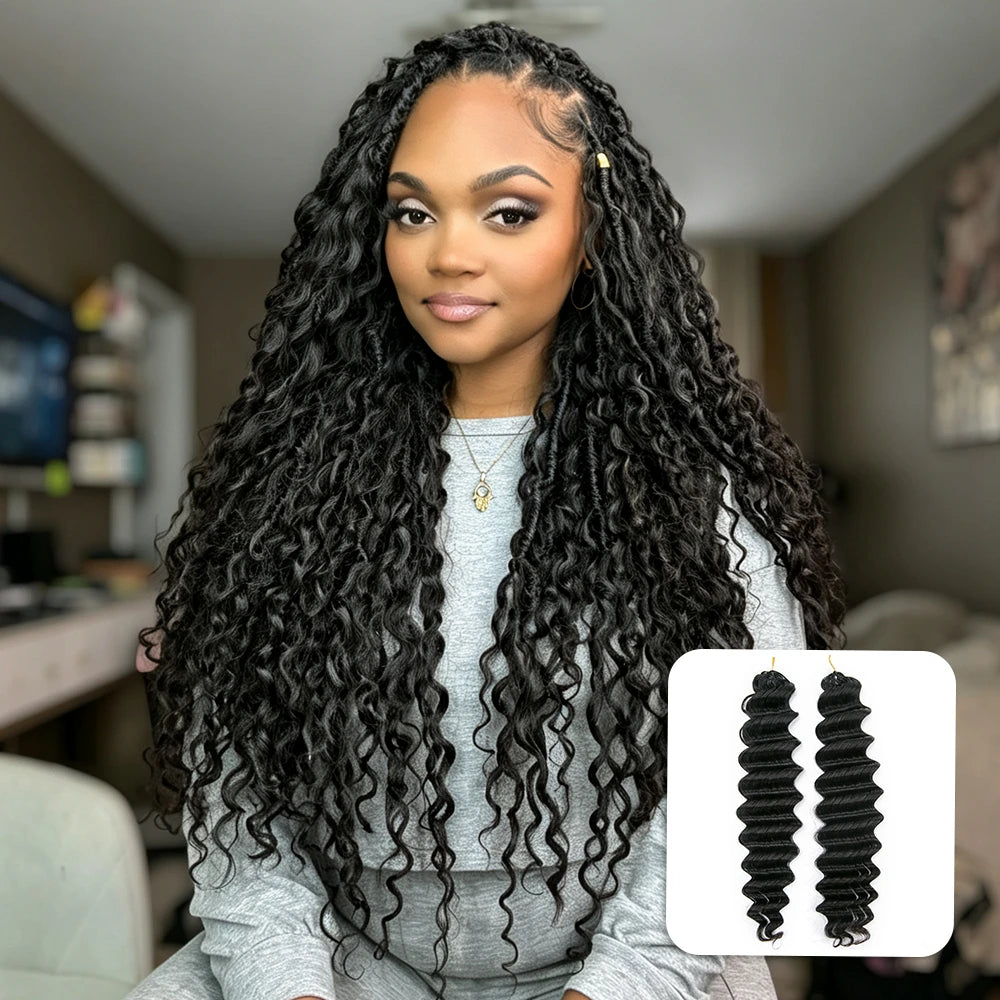
Related product: Shop Human Crochet Hair Deep Wave for Miracle Knots.
How do you wear crochet braids with a low bun?
Plan the updo before installation and test the gather.
Tell your stylist you want to wear the crochet hair in a low bun, then agree on the base direction and nape coverage. Try the bun before the installation is complete and adjust any area that pulls or leaves an unwanted gap.
A low bun draws hair toward the nape, so the install needs to work both when the curls are loose and when they are gathered. Show your stylist a photo of the bun you want, including how low it sits and whether you want the crown smooth or full. Ask how the chosen method will support that movement. There is no single base pattern for every head or crochet style; a professional should adapt it to your natural hair, the product, and the result you want. This guide focuses on updo compatibility, not a general crochet installation tutorial; use the existing crochet installation guide for broader setup information.
Choose the bun position and silhouette
“Low bun” can mean a compact knot at the nape, a loose rounded shape, or a swept arrangement with curls left out. Decide which silhouette you want before choosing where the hair will be gathered.
A compact bun keeps the shape close to the neck and can work with structured outfits. A looser bun leaves more texture visible and may suit a softer look. You can also leave a few curls near the face, but decide where they should fall before the stylist finishes the install. Use a front and side reference photo so the bun height and curl placement are clear.
Think about how often you plan to switch between a bun and a loose style. If you expect to wear both, tell the stylist; the base and placement should accommodate the movement you want. If the bun is for one special occasion, a temporary pin-up may be an option, but test it with the actual hair and texture before relying on it.

Discuss base direction and nape coverage
The stylist needs to know where the hair will move when you gather it. Ask how the base pattern and crochet placement will cover the nape and support the sweep toward the bun.
Show the stylist the bun position and ask which sections will be gathered. The nape may become more visible when the hair is pulled up, so check the planned coverage from the back and side. Ask whether any areas should remain free of crochet hair to make gathering easier or to avoid adding unnecessary volume beneath the bun.
Do not dictate a technical pattern based on a tutorial that may show a different head shape or installation method. Instead, describe the result and ask the stylist to explain the plan. Confirm where the hairline and parting will sit when the hair is loose, then check whether the same design still looks right when it is gathered.
Check curl length, volume, and how the hair gathers
Longer or fuller crochet hair may create a larger bun, while shorter lengths can make a compact shape easier to pin. Curl pattern affects the apparent length and how much the hair expands when gathered.
Ask the stylist to show how the selected texture behaves in a low gather. If you want a small bun, too much loose volume may make it harder to keep the shape compact. If you prefer a full bun, a texture with more visible volume may suit the effect. The exact result depends on the product and install, so use images as references rather than guarantees.
Compare the look loose and gathered before committing. A texture that frames your face well when worn down may sit differently at the nape. The crochet curls collection and the broader human hair crochet selection can help you browse options after you know which outline you want.
Test the updo before finishing the style
Before the stylist completes the install, gather a representative section into the planned bun. This test can reveal whether the nape is covered, the bun sits at the right height, and the curls move as expected.
Look at the style from behind and from both sides. Check for gaps that appear only when the hair is pulled back, a bun that sits too high, or curls that create a shape you did not intend. Ask the stylist to adjust the plan while the relevant areas are still accessible. Take a photo of the approved arrangement so you can recreate it later.
Also move your head and shoulders. A bun that looks good while standing still may shift when you turn or bend. Make sure any pins or ties feel secure without sharp pressure against the scalp. If the setup hurts, loosen it and ask the stylist to revise the arrangement.
Keep tension and comfort in view
A low bun should not need painful tension to stay in place. The American Academy of Dermatology advises loosening hairstyles that pull and changing styles regularly; see its guidance on hairstyles that pull, styling without damage, and wearing extensions with care.
Cleveland Clinic also lists tightly pulling hairstyles among possible contributors to hair loss (hair-loss overview). A peer-reviewed study examined braiding and hair-fiber integrity (PubMed abstract). These sources offer general context, not a product-specific installation method. Tell your stylist if the style hurts or feels too tight, and consult a dermatologist if you have ongoing scalp concerns.
A low-bun crochet planning checklist
Use this checklist at the consultation so the intended updo is part of the installation plan from the start.
- Bring front, side, and back references for the bun shape.
- Decide whether you also want to wear the hair loose.
- Discuss base direction and coverage at the nape.
- Ask how curl length and volume will affect the gathered shape.
- Test the bun before the installation is complete.
- Check the result from several angles and while moving.
- Ask for adjustments if there is a gap, unwanted bulk, or painful tension.
Explore crochet braid styles, crochet curls, and human hair crochet extensions after you and your stylist agree on the updo plan.
FAQ
Can crochet braids be styled into a low bun?
Some crochet styles can be gathered into a low bun, but the result depends on the base pattern, attachment method, hair length, and how the style is installed. Tell your stylist about the updo before installation and test the bun before finishing the style.
How should the crochet base be planned for a low bun?
Ask your stylist to consider the direction the hair will move, the nape, and the sections that will be gathered. The right base pattern depends on your natural hair and the selected installation method, so agree on the plan with a professional before starting.
Will all crochet textures stay in a low bun?
Not necessarily. Curl pattern, length, density, and the way the hair is installed can change how easily it gathers. Test the chosen texture in the intended bun shape and follow the product's care instructions when pinning or securing it.
How can I make a low bun feel comfortable?
Use a secure arrangement that does not pull painfully, and ask the stylist to adjust it if you feel tension. The American Academy of Dermatology advises loosening hairstyles that hurt or pull; consult a dermatologist if you have ongoing scalp or hair concerns.
Choose the updo shape before installation, then explore the YWIGS crochet braid collection with your stylist.
More on this topic: Crochet Hair Styling and Finishing guide.
